

01
Strategic land
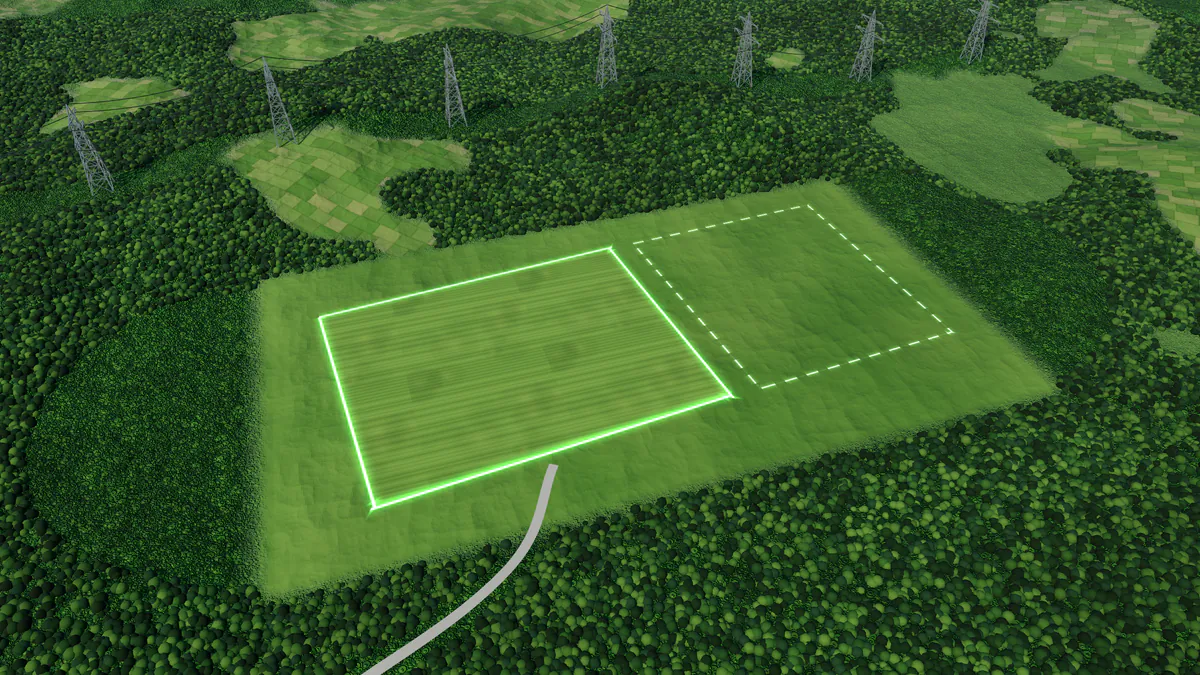
A large enough core site with good access and room to expand in phases.
We combine power, land, fiber and permits into one site package that developers and investors can assess.
The result is one site that is ready to assess.
A large enough core site with good access and room to expand in phases.
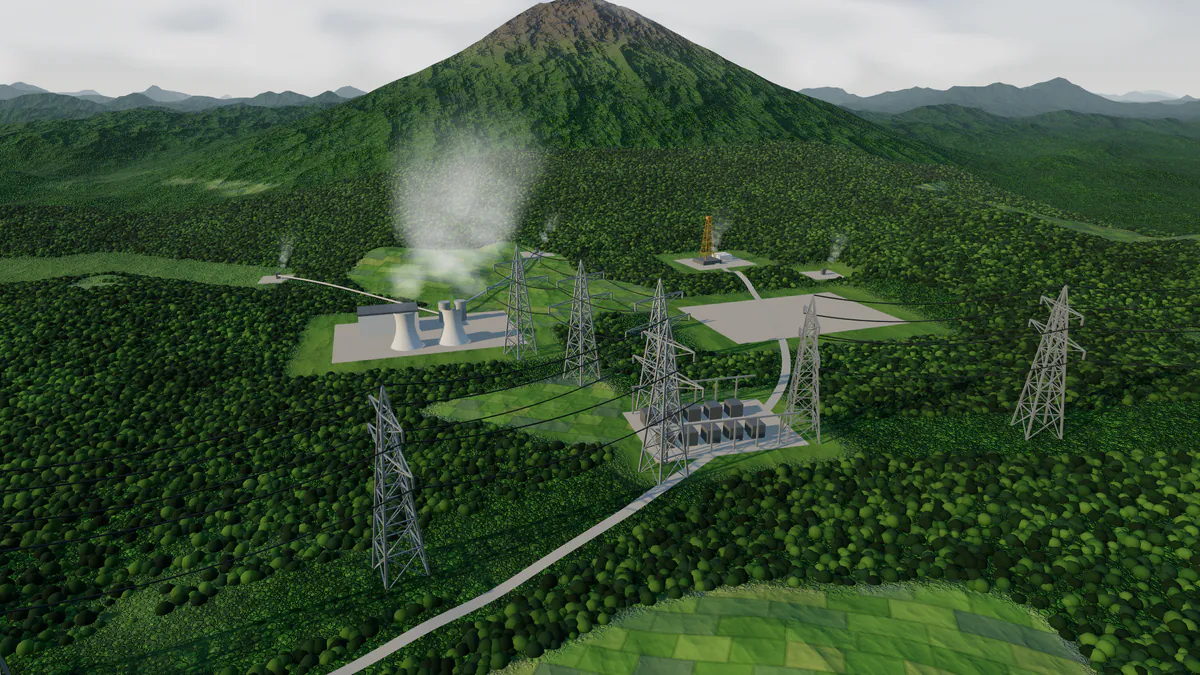
An initial target of ≥100 MW, then 250 MW and ≥500 MW, with a long-term aspiration of 1 GW+.
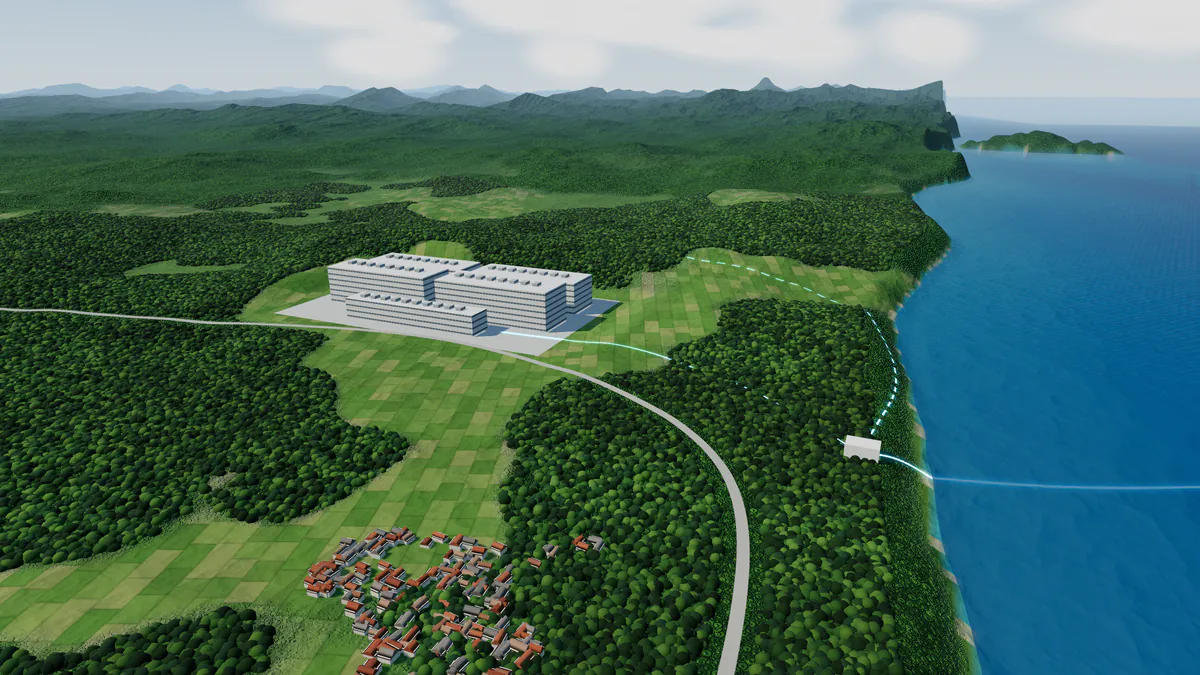
High-capacity fiber over more than one route, linked to national and international networks.
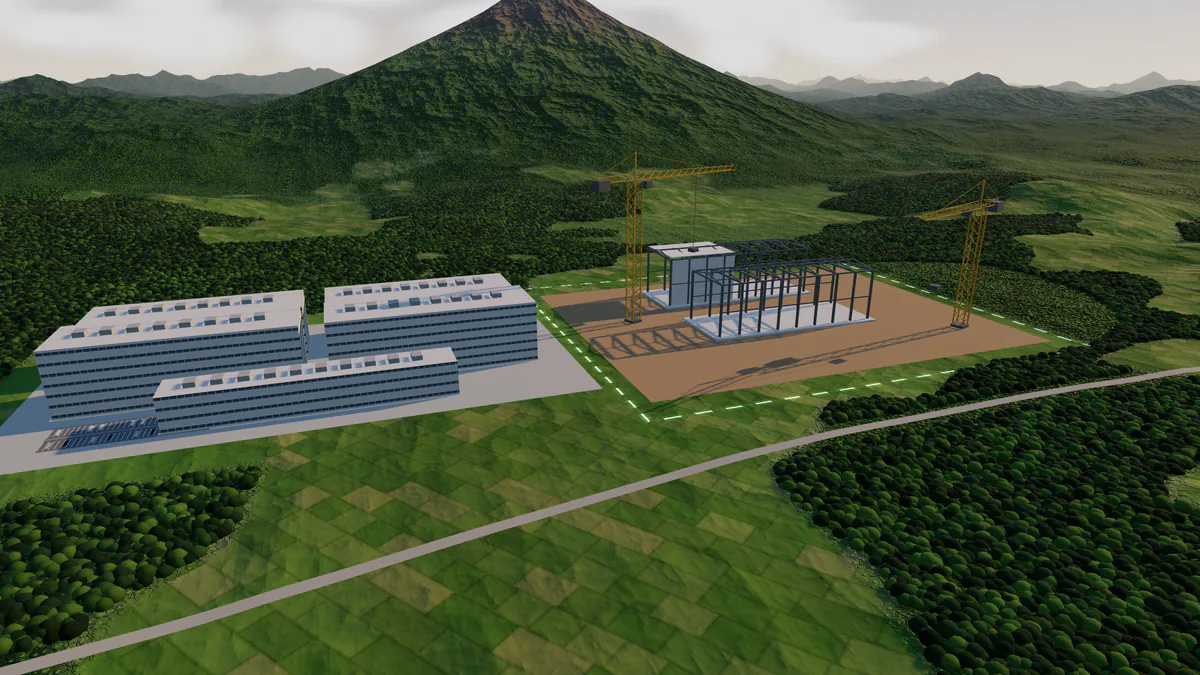
Permits, government coordination, environmental review, market testing and investment documents.
We start with the power supply, then check these eight things one by one.
Geothermal, hydro, gas, solar or the PLN grid.
How many MW, how much more later, and at what cost.
Nearest substation, line route, and how long until power arrives.
High capacity, more than one route, linked to an international gateway.
30–50 ha, road access, terrain, land title and room to grow.
Natural hazards, environmental review, zoning and permits.
What future users need and what data center developers say.
Option, exclusivity, lease, conditional purchase or partnership.
Indicative development basis – subject to site validation
Core land
30–50 ha
Buildable share
≥75–80%
Distance to power source
≤100 km
Initial power
≥100 MW
Phase 2
250 MW
Next phase
≥500 MW
Long-term goal
1 GW+
Design basis figures are initial screening and development assumptions, not a commitment that all parameters are available at every candidate site.
100–150 ha+
Reserve land, if feasible
High density
Liquid-cooling ready
Captive / hybrid / grid
Power supply model
Commercially mitigable
Natural hazards
Physical, operational, connectivity and critical infrastructure readiness.
These components are part of technical screening, site readiness assessment and developer due diligence.
This is an assessment framework, not a certification claim.
Perimeter, access control, zoning, secure buffer areas and emergency access.
Assessment of the critical infrastructure requirements that apply, and coordination with government.
Dual or backup power architecture, generation resilience and recovery strategy.
Physically separate routes, redundancy and network provider resilience.
Screening for flood, earthquake, landslide, volcanic, tsunami, heat and climate-change risk.
Emergency response, operational continuity and recovery planning.
Cyber readiness for connectivity and control systems at the physical infrastructure layer.
Heavy logistics, equipment routes, access redundancy and supplier continuity.